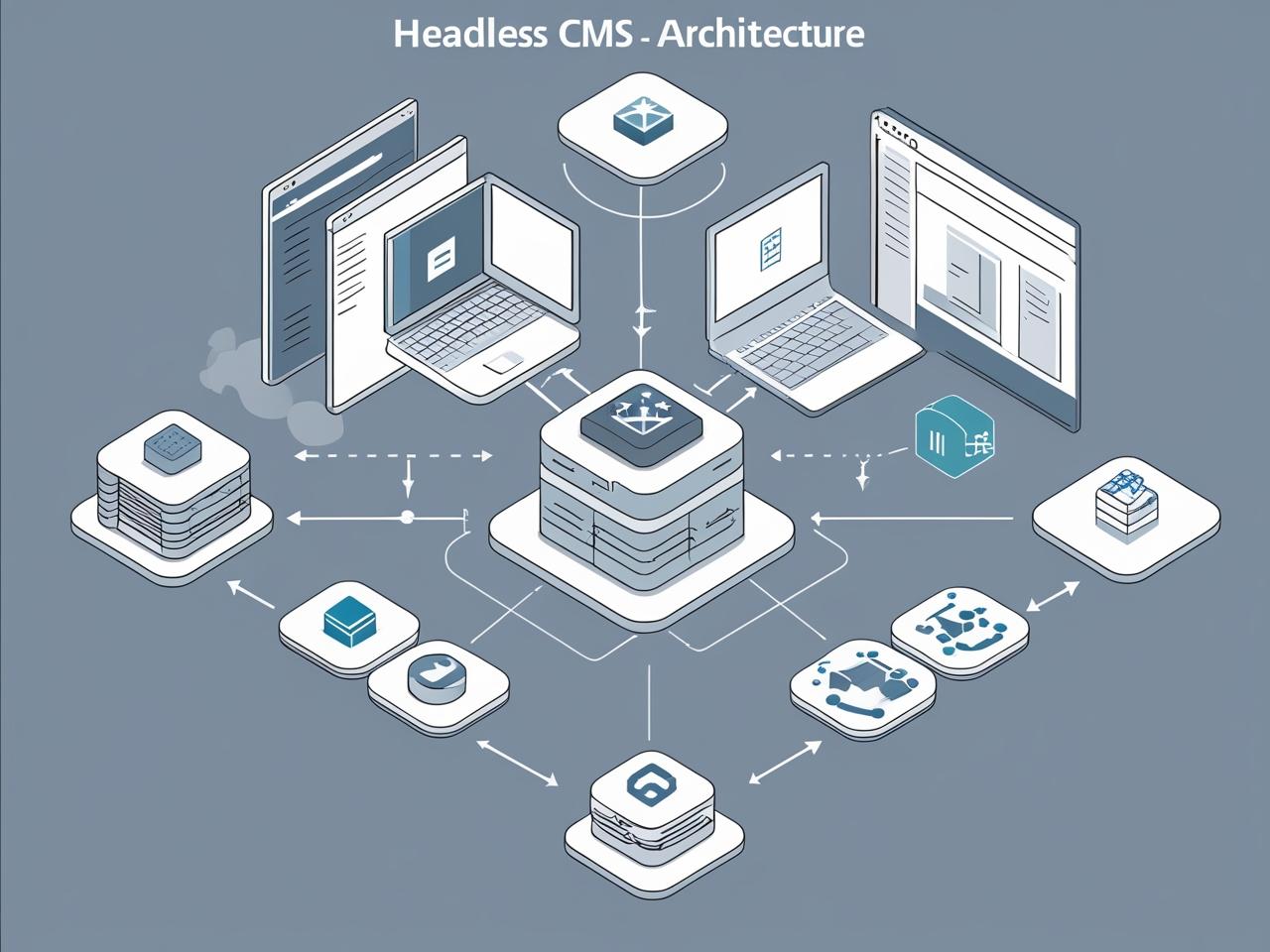
In traditional web development, the visible part of a site (the front-end or 'head') is tightly coupled with the content management system and database (the back-end or 'body'). A 'headless' architecture breaks this link, offering unprecedented flexibility and performance. But what does this concept mean, exactly?
What does 'Headless' mean?
Imagine the back-end (where content and logic reside) is a 'body,' and the front-end (the website) is the 'head' that displays this content. In a headless architecture, we 'cut the head off' the body. The content is no longer delivered to a single website but is exposed through an API (Application Programming Interface). This API can then be consumed by as many 'heads' as we want simultaneously.
What are the advantages?
- Total Flexibility: The same content from the back-end can be displayed on a website built in React, a native mobile app (iOS/Android), a smartwatch, a digital kiosk, or any other device, without rebuilding the system from scratch.
- Superior Performance: Modern front-ends (built with React, Vue, etc.) are extremely fast because they only receive pure data via the API, without being slowed down by the back-end system. This leads to faster loading times.
- Enhanced Security: Because the back-end is completely separate and not directly accessible to the public (interaction is only through the API), the attack surface is greatly reduced.
- Agile Development: Front-end and back-end teams can work in parallel and independently, dramatically speeding up the development process.
A headless architecture isn't for every project, but for businesses that need a presence on multiple digital channels and maximum performance, it is undoubtedly the future of web development.