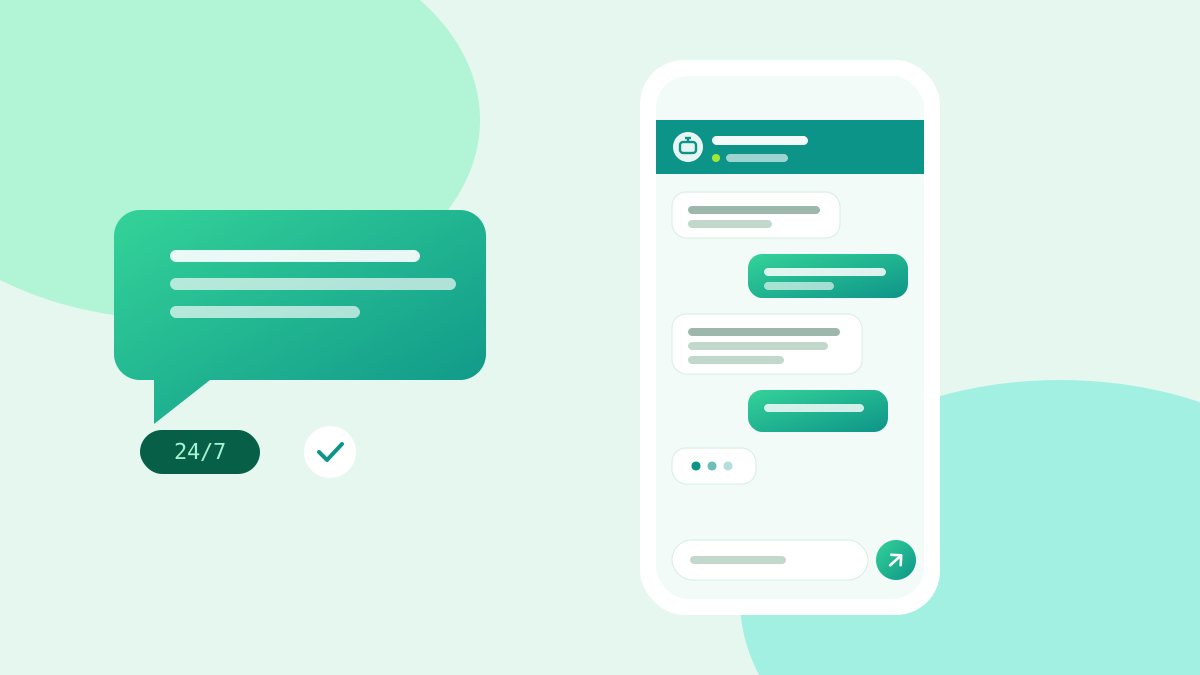
For a small business, every hour counts. When the same person handles sales, invoices and message replies, repetitive customer questions become an invisible time drain. This is where an AI chatbot earns its place: it doesn’t replace the human — it takes over the part of the conversation that doesn’t need one.
What a chatbot can concretely do for a small business
- Answer frequent questions instantly: opening hours, indicative prices, delivery areas, return conditions — at any hour, weekends included.
- Collect contact details: when a question is complex, the chatbot gathers the name, phone and topic, and you come back with an informed answer.
- Qualify leads: it asks the triage questions (“what budget?”, “by when?”) and hands you only the serious conversations.
- Guide toward action: bookings, quote requests, links to the right pages on your site.
What you should NOT expect from it
A well-implemented chatbot is intentionally limited: it answers only from your company’s verified information and escalates any uncertain case to a human. A chatbot that “improvises” answers does more harm than good — which is why configuration and testing matter more than the technology itself.
Where to start
Start from the list of questions you receive weekly by phone, WhatsApp or email. If half of them have the same answer, you already have the business case. A typical implementation takes 1–3 weeks: we define the questions and answers, connect the chatbot to your website (and optionally WhatsApp), test edge cases and define when a human steps in.
The simple rule: the chatbot answers what is repetitive, the human answers what is valuable.